

The construction industry faces a remarkable paradox. While tariffs drive up prices on imported lumber, in 2023 the United States exported $9.83 billion worth of wood products, making us the fourth largest wood exporter globally. We’re importing what we already produce in abundance. Why? Because design specs often don’t prioritize domestic materials. So, what should we as an industry do about it?
Digital Construction Design: Precision Matters
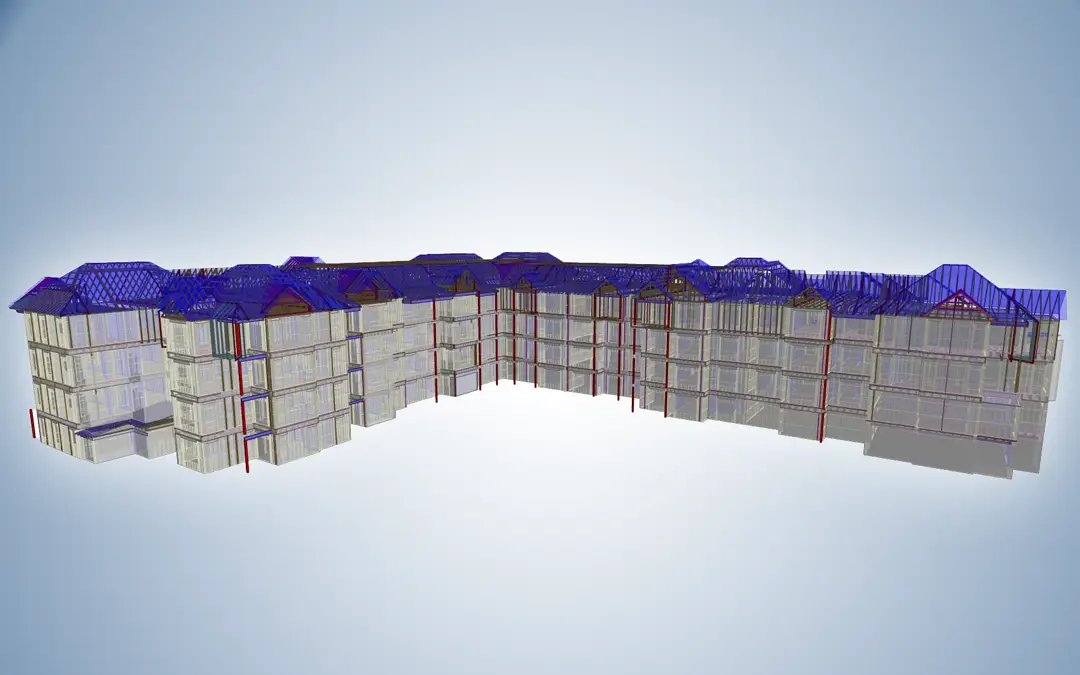
Digital construction technologies offer an immediate advantage in navigating tariff challenges. With our current design software, we can easily differentiate between specific lumber types for bearing versus non-bearing walls—a distinction nearly impossible without digital tools and offsite construction methods.
This precision matters. When material spec’s account for origin, we gain significantly more purchasing options, dramatically reducing tariff-related cost escalations. It’s not merely about switching suppliers; it’s about designing with material availability and origin in mind from the start.
Beyond material selection, Building Information Modeling (BIM) provides additional protection against delays. While not directly related to tariff mitigation, I’ve seen BIM save weeks or even months on projects by identifying design conflicts early—before they become costly jobsite issues that halt construction while conflicts are resolved.
The digital advantage extends throughout the project lifecycle, creating a buffer against market volatility that traditional construction methods simply cannot match.
Prefabrication: Purchasing Power and Trust Between Partners
Offsite prefabrication transforms how we manage risks. It allows for price control through volume purchasing when market opportunities arise. But this advantage comes with a requirement: trust between partners.
For this approach to succeed, general contractors must trust their trade partners and commit to framing packages early, giving specialty contractors like Quality Buildings the opportunity to purchase materials at optimal times. In some cases, we contract directly with project owners or developers in early project phases to secure the best pricing.
This isn’t just about better prices. Building prefab components offsite delivers additional benefits: better quality control, safer work environments, and significantly accelerated timelines. Speed to market becomes a competitive advantage.
I’ve seen projects where early involvement in the design phase allowed us to verify that specified materials were American lumber rather than imported products. This simple verification prevented substantial cost overruns when tariffs later increased.
Why Digital Construction Hasn’t Gone Mainstream
If these approaches are so effective, why hasn’t the entire industry adopted them?
Slow to change: The construction industry statistically ranks as the slowest to adapt to change. The biggest barrier to wider adoption of digital construction and prefab methods is simple resistance—we don’t change until forced.
Generational shifts in technology: I believe the coming workforce evolution will ultimately force this transition. From Millennials to Gen Z to Gen Alpha, we’re raising generations in a tech-centric world. If construction doesn’t embrace digital methods, attracting talent to the trades will become increasingly difficult. Technology adoption isn’t just about tariff protection—it’s about rethinking how we approach the building industry as a whole.
Competitive Bidding Often No-Win: Another significant barrier is the competitive bidding process. As a specialty contractor, we face constant pressure to be the lowest-cost provider, which leaves virtually no room to navigate around vague design details.
In competitive bid situations, we are often caught in a no-win scenario. If we bid strictly to the documents, we’ll likely overprice to cover potential tariff risks. If we price an alternate approach that differs from the documents but offers better tariff protection,we risk absorbing that cost if the change isn’t approved. This bidding structure actively discourages innovation.
Beyond Lumber: Other Vulnerable Materials
While we’ve focused heavily on lumber, steel and hardware components face similar tariff vulnerabilities. These materials require the same strategic sourcing approach and benefit equally from digital design and prefabrication methods.
The fundamental principle remains consistent across all materials: design teams must understand where products originate and incorporate this knowledge into the specs.
Early Collaboration for Tariff Mitigation
The most effective tariff mitigation strategy I’ve experienced involves early collaboration with design teams. Our best clients bring us in during initial design phases to guide material selection and construction approaches. As long as we remain within budgetary parameters established throughout the design process, we secure the contract and proceed—creating a team fully invested in project success.
This collaborative approach minimizes risk for all parties. It allows specialty contractors to suggest tariff-resistant approaches before designs are finalized, when changes are still inexpensive and straightforward to implement.
It also creates space for strategic material purchases. When we know we’re awarded a project, we can purchase materials at optimal times rather than rushing procurement after a last-minute bid award.
Insulate Yourself From Tariffs: Strategic Recommendations for Immediate Implementation
For construction companies looking to insulate themselves from tariff impacts, I recommend three immediate actions:
First, owners and their representatives should require design teams to use American lumber as the basis of design. This requirement forces design teams to understand material origins and creates natural tariff protection.
Second, create flexible designs. Establish a basis of design but allow for material substitutions when appropriate. Trust your trade partners to identify equivalent materials that may offer better tariff protection.
Third, engage specialty contractors early. The traditional approach of designing completely, then bidding, then building creates unnecessary tariff exposure. Early involvement allows for strategic material selection and procurement timing.
Adapt Now for Future Tariff-Resistance AND Success
Looking ahead, I see digital construction and prefabrication becoming standard practice not just for tariff mitigation but for overall project success. Companies that adapt now will position themselves advantageously regardless of future tariff policies. Beyond cost management, there are other benefits:
Quality Control: These approaches deliver significantly better quality control. Building components in controlled environments rather than exposed jobsites ensures consistency and precision impossible to achieve with traditional methods.
Safety: Safety improvements represent another compelling benefit. Prefabrication shifts work from hazardous heights and conditions to controlled manufacturing environments, substantially reducing injury risks.
Labor: Perhaps most importantly, these methods address the construction industry’s persistent labor challenges by creating more appealing work environments for tech-savvy generations entering the workforce.
Embrace Digital Construction and Prefab to Thrive
The construction industry stands at a crossroads. We can continue traditional practices that leave us vulnerable to tariff impacts, or embrace digital construction and prefabrication approaches that provide natural protection against market volatility while delivering superior outcomes.
I’ve seen the difference firsthand. The companies thriving despite tariff challenges aren’t just lucky—they’re strategic. They’ve recognized that digital construction isn’t merely a technological upgrade; it’s a fundamental rethinking of how we design, source, and build. And in today’s unpredictable trade environment, that rethinking has become essential to success.